
Search over 156 stories, 8 core service hubs, 7 assistance programs, locations, and PDF forms. Press ↑ ↓ to navigate results and Enter to select.

Financial Assistance

Direct Supportive Aid

Financial Assistance

Financial difficulties can happen to anyone. CITC’s Financial Assistance team provides respectful, supportive relief to help individuals and families maintain safe homes, heat their living spaces, keep children in quality care, and navigate unexpected hardships.

Open

At a Glance: Eligibility & Quick Facts

Key information to answer your questions immediately.

Programs Available
7 official assistance programs covering utilities, family income, child care, and emergencies.
Who It's For
Income-eligible Alaska Native, American Indian, and regional community households (varies by program).
Cost to Participant
There is no cost to apply. Benefits and eligibility vary by program.
Application Method
Online through myCITC (mycitc.com), by phone, or in person at Nat'uh Service Center.
Phone
(907) 793-3300 (Monday – Friday, 8:00 AM – 5:00 PM)
Email
elg@citci.org

What We Can Help With

  • Heating Assistance (LIHEAP) — Seasonal grant assistance for home heating fuel, electric, gas, and utility bills during winter months.
  • Child Care Assistance — Financial subsidies assisting working or studying parents with quality licensed child care costs.
  • Critical Needs Assistance — Emergency one-time financial relief for acute unexpected hardships, crisis prevention, or urgent travel.
  • Tribal TANF — Monthly supportive income, job coaching, and resources for families with dependent children working toward self-sufficiency.
  • General Assistance (GA) — Interim essential living stipend for eligible adults without dependent children actively seeking employment.
  • Burial & Funeral Assistance — Compassionate financial support for families handling funeral and burial expenses for a deceased loved one.
  • Johnson-O'Malley (JOM) Student Support — Educational assistance, essential school supplies, and academic fees for school-age students.

Eligibility

There is no cost to apply. Eligibility criteria, household income guidelines, and geographic boundaries (such as Municipality of Anchorage or Cook Inlet regional service area) vary by specific program. Individual program rules are detailed below.

How to Get Started

  1. Choose the Program Matching Your Need

    Review the 7 programs listed below to determine which assistance matches your current family or household situation.

  2. Register with CITC and Gather Documents

    Have proof of income (last 30 days pay stubs), photo ID, utility bills, and tribal enrollment verification ready.

  3. Submit Application & Connect with Caseworker

    Apply online via the myCITC portal or meet with a financial assistance navigator at the Nat'uh Service Center.

Direct Participant Support & Campus
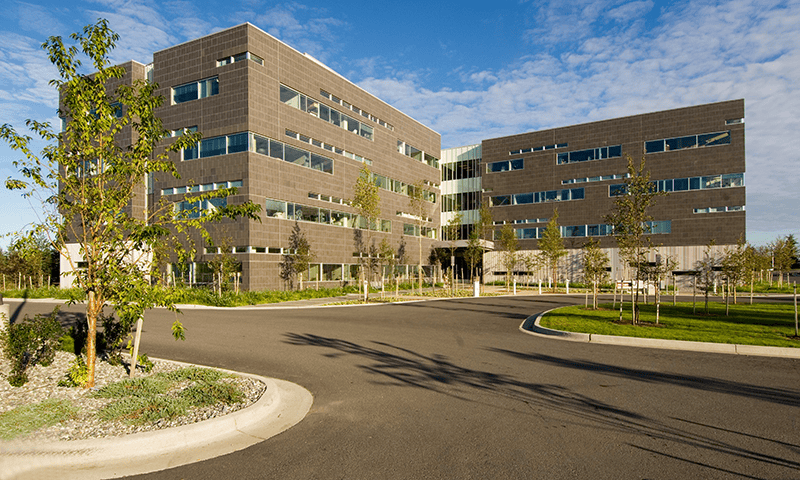
Nat'uh Service Center in Anchorage where participants apply for financial assistance
Nat'uh Service Center: Welcome desks, navigator appointments, and confidential intake for heating, emergency, and child care relief.
CITC families gathered together for community support
Wraparound Family Stability: Direct financial relief pairs with wellness circles, nutrition support, and employment readiness.
Participant Tool

Pre-Application Document Checklist

Applying goes faster when your documents are organized. Select your program below, check off what you have, and print or download your preparation sheet before applying on myCITC.

0 of 5 required documents ready0%

Our 7 Financial Assistance Programs

Select a program below to view specific eligibility criteria, application deadlines, and required documents:

Heating Assistance (LIHEAP)

Seasonal grant assistance for home heating fuel, electric, gas, and utility bills during winter months.

Eligibility: Low-income households in the Cook Inlet region meeting federal LIHEAP guidelines.
Learn About Heating Assistance →

Child Care Assistance

Financial subsidies assisting working or studying parents with quality licensed child care costs.

Eligibility: Working or schooling parents; sliding fee scale based on family size and household income.
Explore Child Care Subsidies →

Critical Needs Assistance

Emergency one-time financial relief for acute unexpected hardships, crisis prevention, or urgent travel.

Eligibility: Demonstrated unforeseen emergency hardship; Alaska Native/American Indian regional priority.
Apply for Critical Needs Relief →

Tribal TANF

Monthly supportive income, job coaching, and resources for families with dependent children working toward self-sufficiency.

Eligibility: Alaska Native and American Indian families with dependent children meeting regional criteria.
Explore Tribal TANF Program →

General Assistance (GA)

Interim essential living stipend for eligible adults without dependent children actively seeking employment.

Eligibility: Unemployed Alaska Native/American Indian adults actively engaged in an employment or training plan.
Learn About General Assistance →

Burial & Funeral Assistance

Compassionate financial support for families handling funeral and burial expenses for a deceased loved one.

Eligibility: Families of deceased Alaska Native or American Indian individuals residing in the service area.
View Burial Assistance Details →

Johnson-O'Malley (JOM) Student Support

Educational assistance, essential school supplies, and academic fees for school-age students.

Eligibility: Enrolled students of 1/4 or more Alaska Native or American Indian blood attending public schools.
Explore JOM Student Aid →

Frequently Asked Questions

Can I apply for multiple financial assistance programs at once?
Yes. For example, a family receiving Heating Assistance (LIHEAP) may also be eligible for Child Care Assistance or Tribal TANF. Our navigators conduct a wraparound intake to ensure you receive all qualifying aid.
Do I have to be Alaska Native to receive Heating Assistance?
While some programs (like BIA General Assistance and TANF) have specific tribal enrollment requirements, Heating Assistance and other federally funded relief programs serve eligible community members across the Cook Inlet service area.
How quickly is emergency assistance processed?
Critical-needs Support applications involving imminent utility disconnect or severe hardship are prioritized for rapid processing. If you are facing an emergency, notify our intake team immediately when calling (907) 793-3300.

Content reviewed by Financial Assistance Department · August 2026